Growing Marguerite Daisies

Arvind Singh
| 20-10-2026
 · Nature Team
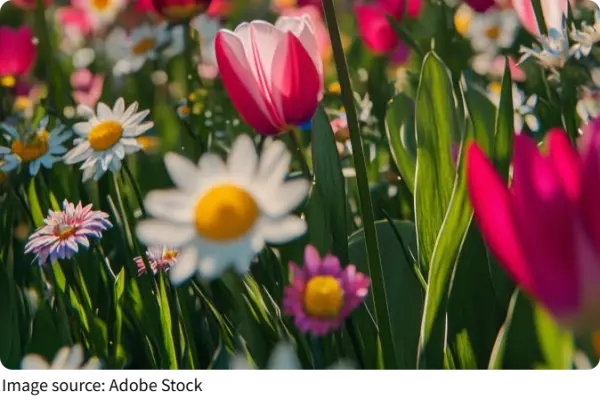
Marguerite daisies bring a cheerful, garden-fresh look to patios, flower beds, and containers. Their delicate petals surround bright central discs, creating a classic daisy appearance that works well in both simple and colorful planting arrangements.
Depending on the variety, blooms may be white, yellow, pink, or other soft shades. With plenty of light and the right watering routine, these plants can produce flowers over an extended period in suitable conditions.
Choose a Suitable Growing Location
Marguerite daisies, commonly known as Argyranthemum frutescens, are tender perennial plants often grown as seasonal flowers in cooler climates. They generally prefer a sunny position where they can receive several hours of direct sunlight each day.
A bright patio, sunny border, or well-lit balcony can provide suitable conditions. In regions with intense summer heat, some protection from the strongest afternoon sun may help prevent stress. Good air circulation is useful because crowded foliage can remain damp for longer after watering or rain. Leave enough space around plants for their branches to spread, and avoid placing containers in areas with very limited airflow.
Prepare the Right Soil
Healthy roots need soil that holds enough moisture for growth while allowing excess water to drain away. Marguerite daisies generally perform best in fertile, well-drained growing conditions. For garden beds, loosen compacted soil before planting and incorporate suitable compost if the ground needs improvement. Avoid areas where water regularly collects after rainfall, since prolonged wetness can damage the roots.
Plant at the Right Time
The best planting time depends on the local climate. Because marguerite daisies are sensitive to frost, wait until freezing conditions have passed before placing them outdoors permanently.
When transplanting a young plant, dig a hole large enough to accommodate its root ball. Position it at the same depth as it was growing in its original container, refill the hole, and gently firm the surrounding soil.
Water after planting to help settle the soil around the roots. If planting several daisies together, follow the variety's recommended spacing so that mature plants have enough room to develop without becoming overcrowded.
Water Without Overdoing It
Marguerite daisies need regular moisture during active growth, but their roots should not remain waterlogged. Check the soil before watering rather than following a rigid daily schedule. If the upper layer feels dry, water thoroughly around the base of the plant. Allow excess water to drain away, especially when growing daisies in containers. During warm, dry weather, pots may need more frequent attention than plants growing in garden beds.
Avoid repeatedly splashing water over the foliage when watering. Directing water toward the soil helps keep the leaves drier and can reduce conditions that encourage certain fungal problems.
Encourage More Flowers
Removing faded blooms is one of the simplest ways to keep marguerite daisies looking tidy. Once a flower has finished, trim the spent stem back to a suitable point above healthy foliage. This practice, often called deadheading, prevents the plant from putting unnecessary energy into developing seeds and may encourage further flowering under favorable conditions.
If the plant becomes leggy or uneven, light pruning can help maintain a compact shape. Avoid removing too much growth at once, and use clean, sharp gardening tools to make neat cuts. Regularly inspect the plant for damaged leaves and aging stems. Removing these when appropriate improves its appearance and makes new growth easier to notice.
Feed for Healthy Growth
Marguerite daisies benefit from adequate nutrition, particularly when they are in full bloom in containers. A balanced fertilizer designed for flowering plants can support continued growth when applied according to the product instructions. Do not assume that more fertilizer will produce more flowers. Excessive feeding may encourage abundant leafy growth and can interfere with balanced development.
Watch for Pests and Seasonal Changes
Inspect the leaves and growing tips regularly for aphids and other common garden pests. If a problem appears, identify it before choosing a suitable control method. Removing badly damaged material and maintaining good airflow can also help keep plants in better condition.
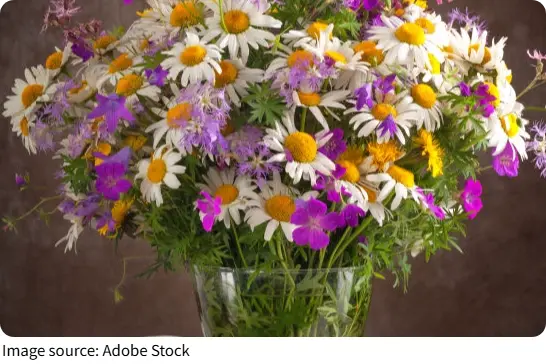
Marguerite daisies can provide months of attractive color when grown in a bright location with fertile, well-drained soil. With the right growing conditions and a simple maintenance routine, marguerite daisies can become reliable favorites for containers, patios, and flower borders.