The Ceylon Spotted Deer

Naveen Kumar
| 06-01-2026
 · Animal Team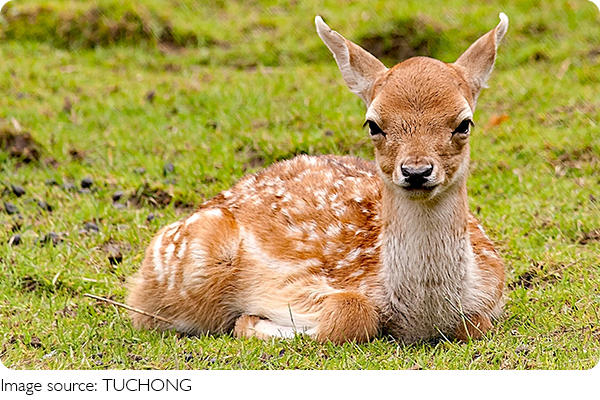
Imagine wandering through a lush, green forest, and suddenly, you spot a graceful figure darting between the trees. Its delicate frame, dotted with white spots, blends seamlessly into the underbrush.
The Ceylon spotted deer, also known as the axis deer, is one of nature's most beautiful creatures.
These deer, native to the forests of Sri Lanka, are not only known for their distinctive appearance but also for their remarkable survival strategies and behaviors. Let's look at the life of the Ceylon spotted deer.
Physical Characteristics of the Ceylon Spotted Deer
The Ceylon spotted deer stands out due to its elegant appearance and distinctive markings, which serve both aesthetic and functional purposes in its habitat.
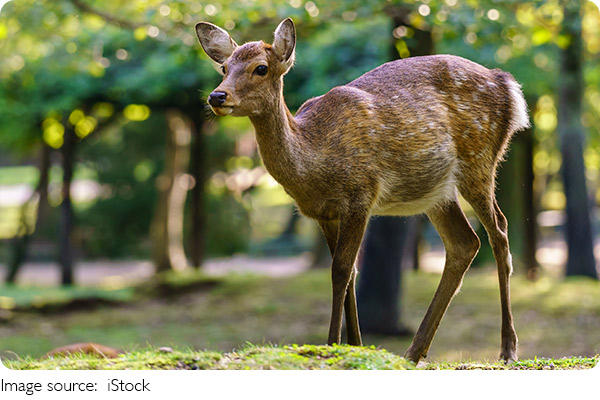
Size and Build: Typically, male Ceylon spotted deer, or stags, weigh between 70 to 100 kilograms, while females are smaller, typically weighing 40 to 60 kilograms. The deer have slender bodies, long legs, and a graceful build that makes them adept at navigating dense forests.
Spotted Coat: As their name suggests, Ceylon spotted deer have a beautiful coat marked with white spots. This pattern provides excellent camouflage, particularly in the forest's dappled light, helping them stay hidden from predators. Their coat transitions in color with the seasons—more vibrant in the wet season and lighter in the dry season.
Antlers of the Stags: Male deer develop antlers that can grow up to 75 cm in length. These antlers, which are shed and regrown annually, are used for mating displays and combat with other males during the breeding season. The antlers' size and condition are indicators of a male's health and strength, often influencing female choice.
Diet and Feeding Behavior
Ceylon spotted deer are herbivores with a diet based on the abundance of vegetation found in their forested habitats.
Wide Range of Vegetation: These deer feed on a variety of grasses, leaves, fruits, and shrubs. They are particularly fond of young, tender plants and enjoy browsing on the undergrowth, often picking through dense layers of vegetation to find fresh food.
Seasonal Feeding: Depending on the time of year, the deer may switch between browsing on leaves during the wet season and grazing on grass during the dry months. Their diet changes to adapt to the availability of different plants, which is essential for maintaining energy and body condition.
Efficient Digestive System: Ceylon spotted deer are ruminants, which means they have a multi-chambered stomach that allows them to digest plant matter efficiently. They spend a significant portion of their time feeding, and their grazing habits are key to maintaining the health of their ecosystems by controlling plant growth.
Reproduction and the Role of the Doe
The reproductive behavior of the Ceylon spotted deer plays a crucial role in maintaining their population.
Breeding Season: Mating usually occurs during the monsoon season, when food is abundant and environmental conditions are optimal. During this time, males engage in vocalizations and visual displays to attract females. The dominant males, those with the largest and strongest antlers, typically win the attention of females.
Gestation and Birth: Female deer have a gestation period of about 230 days, after which they give birth to one or two fawns. The fawns are born with spotted coats, which help them blend into the surroundings and avoid detection by predators.
Maternal Care: After birth, the doe is highly protective of her young. She often hides them in dense vegetation while she forages for food. Fawns are nursed by their mothers until they are old enough to begin eating solid food. They stay close to their mothers for several months as they learn how to navigate the forest.
Social Behavior and Herd Dynamics
Ceylon spotted deer are social animals that live in herds, though their social structure can vary depending on the time of year and environmental factors.
Herd Structure: During most of the year, female deer and their fawns form the core of the herd. Males, on the other hand, tend to form bachelor groups, particularly outside the breeding season. These groups are less stable, with males often changing their associations as they mature.
Communication: Deer communicate through a variety of vocalizations, body language, and scent-marking. They use soft grunts and bleats to signal distress or to warn others of danger. During the breeding season, males will also engage in roaring vocalizations to establish dominance over other males.
Hierarchy in the Herd: In herds, there is usually a clear hierarchy among the females, with older or more experienced does taking the lead. The males establish dominance through combat during the rut (mating season), where they use their antlers in fierce battles to win access to females.
Predators and Survival Tactics
Despite their beauty, Ceylon spotted deer face a constant threat from predators. However, their physical adaptations and behaviors help them evade danger.
Speed and Agility: Ceylon spotted deer are incredibly fast runners and can reach speeds of up to 60 km/h when fleeing from predators. Their agility and ability to change direction quickly make them difficult targets for larger carnivores like tigers or leopards.
Camouflage: The spotted coat of the deer helps them blend seamlessly into the dappled light of the forest, making them harder to spot by predators. The fawns, in particular, rely on this camouflage in their early weeks of life when they are most vulnerable.
Alertness and Group Defense: The deer are always on alert, with individuals in the herd constantly watching for predators. When danger is near, they may signal the herd to flee, and the group will scatter in different directions to confuse predators. This coordinated effort increases the chances of survival for the herd.
Conservation and Challenges
Though the Ceylon spotted deer population is generally stable, these deer face a number of conservation challenges.
Habitat Loss: The rapid deforestation in some regions of Sri Lanka poses a significant threat to the deer's natural habitat. As human settlements expand and forests are cleared for agriculture, the deer's living space shrinks, leading to fragmentation of populations and increased competition for resources.
Poaching and Hunting: Despite being protected by law, Ceylon spotted deer are still hunted by poachers for their meat and antlers. In some areas, hunting remains a serious threat to the population.
Climate Change: Climate change poses long-term challenges to the Ceylon spotted deer, altering the availability of food and affecting the timing of breeding. Changes in rainfall patterns can also affect the health of forests, disrupting the deer's habitat.
The Resilient Ceylon Spotted Deer
The Ceylon spotted deer, with its elegant form and graceful movements, is more than just a beautiful creature. It is a symbol of resilience and adaptability, thriving in the challenging forests of Sri Lanka. While they face threats from habitat loss, poaching, and climate change, their ability to adapt and thrive makes them a testament to the strength of nature.
Preserving their habitat is crucial for maintaining the delicate balance of the ecosystem and ensuring that these magnificent creatures continue to roam the forests for generations to come.