Balearica Regulorum

Santosh Jha
| 06-01-2026
 · Animal Team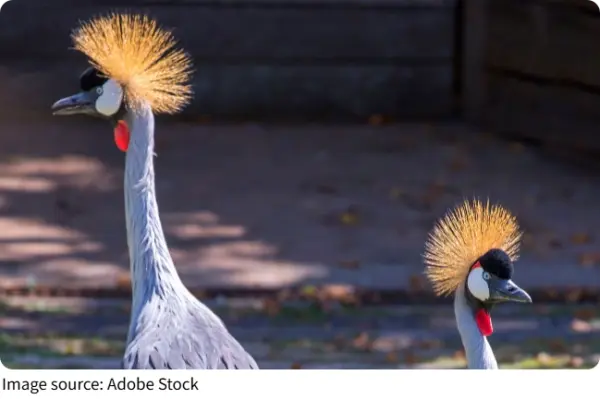
The Balearica regulorum, commonly known as the grey crowned crane, is a striking bird known for its vibrant colors and elegant stature.
This crane species, native to parts of sub-Saharan Africa, is instantly recognizable by its regal golden crown and grey plumage.
Standing at about 1 meter tall, the Balearica regulorum is one of the most beautiful members of the crane family, often found in grasslands, wetlands, and savannas.
These cranes are known not only for their beauty but also for their fascinating behaviors and impressive adaptability to diverse habitats. Whether they are striding through the grasslands or performing their elaborate mating dances, these cranes captivate anyone who lays eyes on them.
Physical Appearance and Features
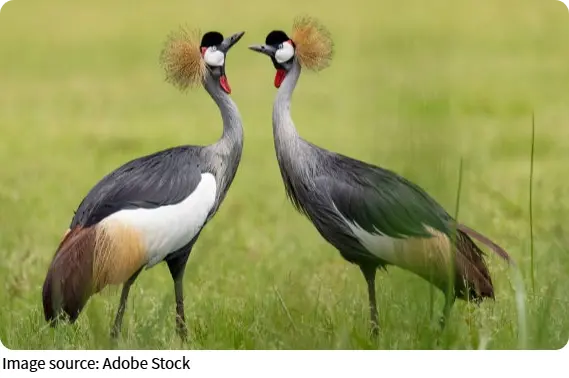
The Balearica regulorum is easily distinguished by its unique crown of golden feathers, which give it an almost royal appearance. These feathers, which fan out from the bird's head like a golden halo, contrast sharply with its grey body and white cheek patches.
Size and Shape: These cranes stand about 3 to 4 feet tall, with a wingspan of up to 7 feet. Their long, graceful necks and slender legs help them move elegantly across the landscape.
Coloration: The primary colors of the Balearica regulorum are a soft grey on the body, white cheek patches, and the golden crown. The contrasting black wings add to the bird's allure.
Distinctive Features: The golden crown, a hallmark of the species, is actually composed of stiff, elongated feathers. This is one of the most distinguishing characteristics, making them easily identifiable even from a distance.
Habitat and Distribution
The grey crowned crane prefers to live in wetland environments, particularly grasslands near water sources. They are found across a variety of habitats, from open savannas to marshy areas in Africa. They are highly adaptable birds, able to live in both pristine natural environments and altered landscapes, such as farmlands and wetlands that have been modified for human use.
Geographic Range: The Balearica regulorum is primarily found in sub-Saharan Africa, including countries like Uganda, Kenya, and parts of South Africa. However, their range extends to a variety of ecosystems, from wetlands to upland grasslands.
Preferred Environment: While they can thrive in agricultural areas, these cranes are most commonly seen in wetland regions where they can forage for food and find suitable places to nest.
Diet and Feeding Habits
The Balearica regulorum has a varied diet, which includes both plant and animal matter. These birds are omnivorous, feeding on a mixture of seeds, grasses, insects, and small aquatic animals. They are often seen foraging in shallow water or on the edges of wetlands.
Foraging Behavior: The cranes use their long legs to wade through shallow waters, looking for insects, seeds, and small amphibians. They have also been observed feeding on tubers and roots.
Dietary Preferences: While their diet is diverse, the availability of food sources in wetlands is crucial for their survival. This is why they often prefer areas with abundant water and plant life.
Mating and Reproductive Behavior
During the mating season, the Balearica regulorum displays a series of captivating courtship rituals. The males engage in elaborate dances, often bowing, leaping, and raising their golden crowns to impress the females. These displays are not only visually striking but also serve to communicate the health and vitality of the male to potential mates.
Courtship Rituals: Males begin by performing a series of intricate steps, raising their crowns and performing "dance-like" movements. This is accompanied by loud calls and trumpeting sounds.
Nesting and Raising Offspring: The female typically lays two eggs in a well-constructed nest, often near water. Both parents take turns incubating the eggs, and once hatched, the chicks are cared for by both adults.
Conservation Status
The grey crowned crane is currently classified as "Endangered" by the International Union for Conservation of Nature (IUCN). This is primarily due to habitat loss, illegal hunting, and the impact of human activity on their wetland habitats. Efforts are being made to protect their natural environments, and various conservation programs are underway to help restore their populations.
Threats: Urban expansion, agricultural development, and poaching have all contributed to the decline in crane numbers.
Conservation Initiatives: Several conservation organizations are working to protect these magnificent birds by preserving wetland habitats and raising awareness about the importance of protecting biodiversity.
The Role of the Balearica Regulorum in Ecosystems
Beyond their beauty, Balearica regulorum plays an important role in their ecosystems. As omnivores, they help control insect populations, spread seeds, and maintain the health of the wetland environments they inhabit. Their foraging helps prevent the overgrowth of certain plant species, ensuring a balanced ecosystem.
Ecological Contribution: By feeding on insects and plants, these cranes help regulate the populations of various species, contributing to the overall health of the ecosystem.
Seed Dispersal: Their diet also helps with the dispersal of seeds, aiding in the growth of vegetation in their environment.
Final Thoughts
The Balearica regulorum is an awe-inspiring bird, not just for its physical beauty, but also for its ecological importance and fascinating behaviors. These cranes serve as a reminder of the delicate balance within ecosystems and the need for conservation efforts to protect such remarkable species.
Watching them glide across a wetland or perform their graceful courtship rituals is a sight to behold, and we can only hope that future generations will be able to enjoy these majestic birds as well.