Spotting Accident Damage

Arvind Singh
| 06-01-2026
 · Vehicle Team
When buying a used car, one of the most crucial things to check is whether it has been in an accident. While a car may look pristine on the outside, there could be hidden damage that affects its safety, performance, and value.
You don't want to be stuck with a car that's had major repairs under the hood or one that's been patched up poorly. Here's how to spot potential accident damage before you make the purchase.
Inspect the Exterior for Oddities
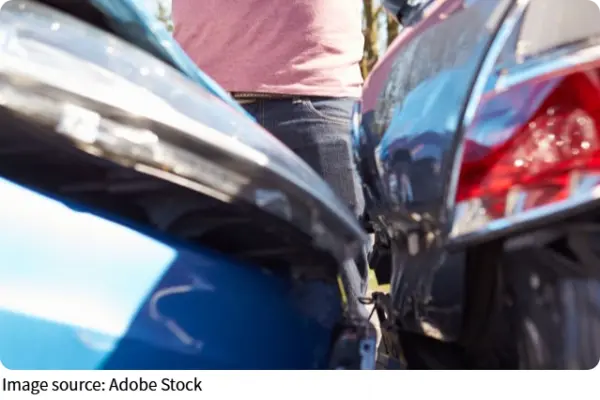
The first thing you'll notice when looking at any car is its exterior. Even minor body damage can be an indication of a past accident. Whether it's a few scratches or significant dents, closely examining the body can reveal signs that the car has been in a collision.
What to look for:
• Uneven paint: If parts of the car look like they've been repainted, especially in a way that doesn't match the rest of the body, it could indicate that the car was repaired after an accident. Paint mismatches can be subtle, but they're often a sign of past bodywork.
• Uneven gaps between body panels: Check the alignment of the car's doors, hood, and trunk. If there's a noticeable gap or if one side seems different from the other, the car could have been involved in a collision that wasn't properly repaired.
• Worn or mismatched trim pieces: Trim pieces that are newer or show more wear than the rest of the car can be a red flag. If they look out of place or have been replaced recently, it could mean they were damaged in an accident.
These are easy-to-spot signs that could indicate something more serious underneath the car's surface.
Examine the Frame and Undercarriage
The frame and undercarriage of a car are where the real structural damage can occur. If the car has been in a major accident, the frame might be bent or weakened, which could compromise the vehicle's safety. This type of damage is harder to spot, but it's worth checking closely.
What to check:
• Check for welding marks: Look for signs of recent welding or repair work under the car. A properly repaired frame might have visible welding marks, indicating that the car has had a significant accident.
• Frame rusting: While some rust is normal on older vehicles, excessive or uneven rust along the frame can suggest previous damage. A bad repair job might not properly address corrosion.
• Look for structural misalignment: If a vehicle's undercarriage looks uneven, or there are unusual dents or creases, it may indicate that the car was involved in a significant collision.
If you're unsure about what to look for, consider having the car inspected by a professional mechanic who can spot subtle frame issues that might not be visible to the average buyer.
Check the Vehicle History Report
A great way to get an insight into whether a car has been in an accident is to request a vehicle history report. These reports pull data from insurance companies, repair shops, and other sources to tell you if the car has had any major damage in the past.
What the report can tell you:
• Accident history: The report will include details of any accidents the car has been in, whether they were reported to insurance companies or repair shops.
• Odometer discrepancies: Vehicle history reports can also reveal if the car's odometer reading seems inconsistent, which could be a sign of potential fraud or hidden damage from an accident.
• Title status: If the car has a “salvage” or “rebuilt” title, this means it was involved in a major accident and repaired. This should be a red flag for buyers.
You can easily request a report from services for a small fee. This is a quick and reliable way to gain peace of mind before making a decision.
Test the Car's Handling
Once you've checked the car's physical appearance and vehicle history report, it's time for a test drive. The way the car drives can tell you a lot about its internal condition, including whether it has hidden accident damage.
What to pay attention to:
• Strange noises: Listen for any unusual sounds when you drive, such as squeaks, rattles, or grinding. These could indicate that the car's suspension or frame was affected by a previous impact.
• Steering issues: If the steering feels off or there's any pull to one side, it could indicate alignment issues caused by an accident. A well-maintained car should drive straight without pulling, even on a flat road.
• Vibrations: If you feel vibrations in the steering wheel or throughout the car, it might be a sign that the wheels are misaligned or the suspension was damaged during an accident.
A smooth, responsive drive is always a good sign. If anything feels out of the ordinary, it's worth investigating further.
Look for Airbag Deployment Signs
When airbags deploy during an accident, it's an indication of a serious impact. If you're buying a used car, checking for signs of airbag deployment is a must.
How to spot signs of deployment:
• Airbag indicator lights: Check the dashboard for airbag warning lights. If the light stays on after the car has started, it could mean that the airbags were deployed and not properly reset or repaired.
• Signs of airbag replacement: Look around the steering wheel, dashboard, and side panels for signs of airbag replacement. If the car has been in a significant accident, parts of the airbag system might have been replaced.
If the airbags have been deployed and not properly repaired, it could be a major safety issue. Always ask the seller whether the airbags have been replaced, and request documentation if possible.
Have a Professional Inspection
Even with all your efforts to check the car, some signs of accident damage might still go unnoticed. That's why it's a good idea to have the car inspected by a professional mechanic before buying. An expert can spot damage that the average person might miss.
Why it's worth it:
• In-depth inspection: Mechanics can check for structural issues, hidden frame damage, and electrical problems caused by an accident that you might not notice on your own.
• Peace of mind: If the mechanic gives the car a clean bill of health, you'll feel much more confident about your purchase. If they find any hidden damage, you'll have the opportunity to back out or negotiate a lower price.
Most independent mechanics offer pre-purchase inspections for a reasonable fee. This small investment can save you from a costly mistake.
Be Thorough and Informed
When purchasing a used car, knowing whether it has been in an accident is crucial for your safety, peace of mind, and financial investment. By inspecting the car carefully, reviewing its history, and taking it for a test drive, you can uncover potential red flags.
If you're uncertain, always opt for a professional inspection to ensure that you're making a sound purchase. It's better to spend a little extra time up front than to face unexpected repair costs later.