How to Handle a Skidding Car

Pardeep Singh
| 06-01-2026
 · Vehicle Team
We've all seen it happen in movies: the car starts to skid, the tires lose traction, and the driver panics. It's a heart-racing moment, but it doesn't have to be a disaster.
In real life, driving a car in a skid is less about fighting the car and more about knowing how to react calmly. So, what do you do when your car starts sliding out of control?
In this guide, we'll break down exactly what to do when you feel your vehicle losing traction. Whether it's ice, rain, or a sudden sharp turn that throws you off balance, these tips will help you regain control and keep everyone safe.
Stay Calm and Don't Panic
This might seem like the hardest thing to do when your car starts to slide, but staying calm is crucial. The more you panic, the more likely you are to make quick, erratic decisions that can make the situation worse.
Here's what you should do:
• Take a deep breath.
• Keep your hands on the wheel, and try to remain steady. Gripping the steering wheel too tightly can make it harder to correct the skid.
• Focus on the road ahead, not the sliding car. Your brain will process the situation faster if you don't allow fear to take over.
Sometimes, just taking a second to breathe and reset can be the difference between a dangerous crash and a safe recovery.
Steer in the Direction You Want to Go
If the back end of your car is sliding to the left or right, turn your steering wheel in the same direction. This is the key to regaining control. It might feel unnatural because your instincts may tell you to steer the other way, but turning into the skid is what you need to do.
Here's how to steer properly:
• If your car is skidding to the right, turn the wheel right.
• If your car is skidding to the left, turn the wheel left.
• Avoid jerking the wheel too sharply; smooth, gentle movements will help you regain traction without over-correcting.
Imagine you're trying to point the front of your car in the direction you want to go — don't try to fight the back end of the car. Let the front wheels guide you.
Don't Slam on the Brakes
When your car starts sliding, your first reaction might be to stomp on the brakes. However, this can make things worse, especially if you're driving on ice or wet roads. Slamming the brakes can lock the wheels, and if your wheels aren't moving, they're not helping you steer or regain control.
What you should do:
• If you're on an icy road and your car is skidding, gently ease off the accelerator instead of applying the brakes.
• If you need to stop or slow down, use gentle, controlled braking — pump the brakes rather than slamming them down.
If you're driving a car with ABS (Anti-lock Braking System), keep your foot firmly on the brake. ABS will pulse the brakes automatically, preventing the wheels from locking.
Use the Gas Pedal (Sometimes)
In some situations, gently pressing the accelerator can help you regain traction, especially if you're driving on a slippery road like ice or snow.
Here's when to use the gas pedal:
• If you're in a rear-wheel skid (the back end is sliding), gently press the gas pedal to help the tires regain grip.
• If you're on snow or ice and the car is struggling to move, slight pressure on the gas can help the tires regain traction.
It's important to be very gentle with the accelerator. You don't want to rev the engine or spin the tires, just give a little bit of throttle to help the car get traction.
Keep Your Eyes on the Road
When your car is skidding, your instinct might be to look directly at the skidding tires or the side of the road. However, it's crucial that you keep your eyes on where you want to go.
Here's why:
• Your brain will naturally guide your body to steer toward where your eyes are focused. If you're looking at an obstacle or the shoulder of the road, you're more likely to steer toward it.
• Keep your eyes on the horizon or the path you want your car to take. This helps you maintain control and focus on steering your car back in the right direction.
By looking ahead, you'll naturally guide the vehicle where it needs to go.
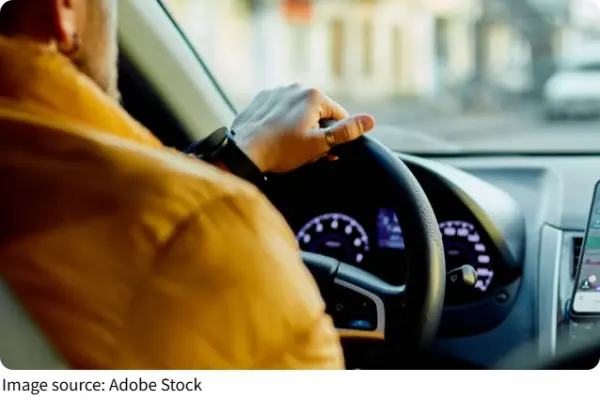
Know the Road Conditions
Different road conditions can affect how your car behaves when it starts to skid. Ice, rain, snow, or loose gravel can all cause a vehicle to lose traction, and understanding the surface you're driving on can help you make better decisions.
What to do based on road conditions:
• On icy or snowy roads: Reduce your speed and avoid sudden inputs on the steering wheel, accelerator, or brakes.
• On wet roads: Water can create a thin layer of hydroplaning, so make sure to slow down and avoid hard braking.
• On gravel roads: Gravel can make it harder to regain control, so always drive cautiously and avoid sharp turns.
Always adjust your speed and driving style based on the road conditions. Recognizing when the roads are slippery will help you react more appropriately when skidding happens.
Practice Makes Perfect
The best way to know how to handle a skid is to practice. Many driving schools offer skid courses where you can learn how to control a car in a skid safely. If you've never experienced a skid before, it's harder to react appropriately when it happens.
What you can do to practice:
• If you live in a snowy area, take your car to an empty parking lot during winter and practice skidding and regaining control (safely, of course).
• Consider attending a driving school that offers skid control lessons, where you'll get hands-on experience in a controlled environment.
The more you practice, the more your reactions will become automatic, and the less you'll need to think when a skid happens.
Final Thoughts: Stay Calm and Stay Safe
Skidding can be a frightening experience, but knowing how to react can help you regain control and avoid an accident. Stay calm, steer in the direction of the skid, avoid slamming on the brakes, and adjust to the road conditions. With a little practice and awareness, you'll be able to handle skidding situations with confidence.