Focus with Style
Pardeep Singh
| 06-01-2026
 · Photography Team
Depth of field is a powerful tool in visual storytelling, especially in animation and film. By controlling how much of an image is in focus, you can draw the viewer’s eye, add emotion, or create atmosphere.
For Lykkers who enjoy cartoons, animation, or even photography, learning how to use depth of field creatively turns simple scenes into layered, engaging experiences. This guide will show you how depth of field works and how you can apply it in playful, expressive ways.
Understanding Depth of Field
Before you experiment, it’s important to know what depth of field is and how it works. Think of it as the range of sharpness in your image—the zone where things look clear.
Shallow vs. Deep Depth of Field
A shallow depth of field means only a small part of the image is sharp, while the rest is blurred. This is often used for portraits or close-ups, where the focus is on one character or object. A deep depth of field keeps most of the image in focus, making it great for landscapes or scenes filled with detail.
Controlling Depth of Field
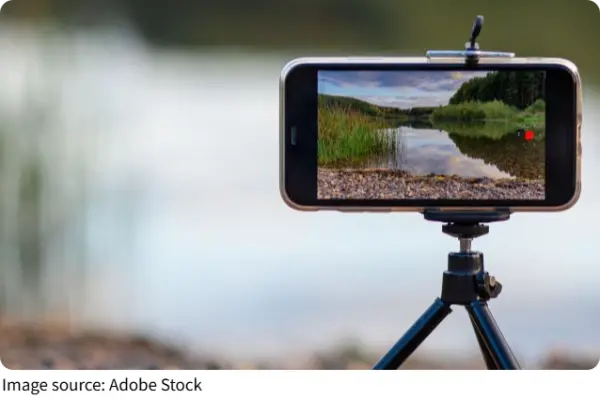
In photography, it’s controlled by aperture, lens choice, and distance. In animation or CGI, you adjust it digitally using camera settings inside the software. Either way, it’s about choosing how much of the scene you want viewers to see clearly.
Why It Matters in Storytelling
Depth of field is more than a technical trick—it’s a storytelling choice. Blurring backgrounds can make characters feel isolated or important, while keeping everything sharp can emphasize the complexity of a scene. Once you understand this, you can use it as an expressive tool rather than just an effect.
Using Depth of Field Creatively
Now that you know the basics, let’s explore how to apply depth of field to bring out emotion, focus, and style in your work.
Direct the Viewer’s Attention
When you want your audience to notice something specific, shallow depth of field is your friend. By blurring everything else, you guide the eye straight to the subject. Try this with a character’s eyes, a key object, or even a small detail in the background that matters to the story.
Create Mood and Atmosphere
Soft blurring can make a scene feel dreamy, romantic, or mysterious. In contrast, sharp focus across the frame can feel intense, realistic, or overwhelming. Use these shifts in depth of field to reflect the mood of your story—whether calm and intimate or broad and chaotic.
Show Scale and Space
Depth of field also gives a sense of distance. In animation, using a shallow focus on a foreground object while leaving the background blurred can make the world feel bigger and more layered. This adds depth (literally) to your scenes, making them feel more immersive.
Experiment with Transitions
Don’t forget you can change focus during a shot. This is called “rack focus”—moving the sharpness from one subject to another. It’s a simple but powerful way to shift attention, reveal details, or show relationships between characters.
Depth of field is one of those tools that seems technical at first but quickly becomes creative once you play with it. By learning to control focus, you can guide attention, shape emotions, and give your visuals more depth and meaning. For Lykkers, the key is experimentation—try shallow focus for drama, deep focus for detail, and transitions for storytelling flair. In the end, depth of field isn’t just about sharpness and blur—it’s about making every frame say exactly what you want it to.