Zodiac or Reality?

Ravish Kumar
| 06-01-2026
 · Astronomy Team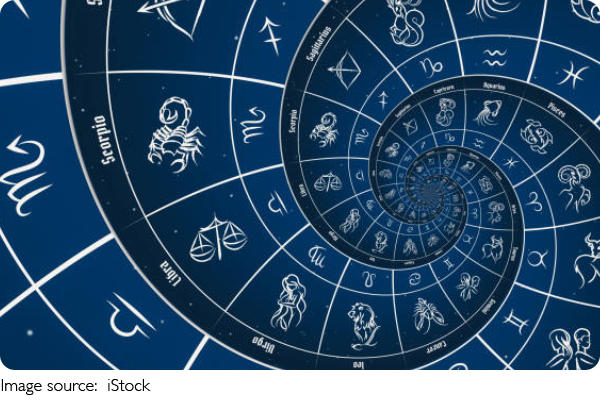
The zodiac has fascinated people for thousands of years, blending astronomy with myth, memory and meaning.
This guide helps Lykkers explore where those ideas come from, how the science works and why the myths still feel so captivating. You'll see how two different perspectives—cosmic mechanics and cultural tradition—intertwine in ways that continue to spark curiosity today.
The Science Behind the Zodiac
Before diving into myths, it helps to understand the actual astronomical principles that form the zodiac. As you read, imagine yourself looking up at the sky with a clearer sense of how everything moves and why certain constellations matter. This section breaks the science into ideas you can follow easily while still feeling engaged and curious.
The Ecliptic and the Sun's Path
The zodiac exists because the Sun appears to move through a narrow band of constellations over the course of a year. This path is called the ecliptic. When you picture the Sun traveling across the sky, you're actually seeing Earth's orbit create that motion. Each zodiac constellation sits along this path, which is why they became markers for different times of the year. Understanding the ecliptic gives you a grounded starting point: the zodiac began as a simple observation of where the Sun appeared in the sky.
Constellations as Reference Points
Astronomers use constellations as reference markers, not as magical symbols. The zodiac constellations are simply groups of stars chosen long ago to form a useful map of the sky. Over time, scientists have refined these boundaries, and even recognized that the Sun moves through a thirteenth constellation—Ophiuchus—though it isn't commonly included in astrological traditions. When you see the zodiac scientifically, it becomes a tool for orientation rather than a source of destiny.
Precession and Shifting Positions
Earth doesn't spin perfectly straight like a fixed top—it wobbles slowly over thousands of years. This wobble, called precession, causes the zodiac constellations to shift gradually relative to the seasons. That means the zodiac dates used today don't match the sky exactly as they did in ancient times. When you understand precession, you realize how dynamic the sky truly is and why astronomy treats the zodiac as a historical reference rather than a guide to personality.
The Myth and Meaning People Still Love
Science explains how the zodiac works, but myth explains why people feel connected to it. This section explores the stories, traditions and symbolic frameworks that have helped zodiac signs remain a meaningful part of everyday culture. As you read, think about how you personally engage with zodiac ideas—lighthearted fun, deeper reflection or simply curiosity.
The Stories Behind the Symbols
Many zodiac signs come from ancient legends—heroes, creatures and epic tales once used to explain natural forces. These stories helped people connect events on Earth with patterns in the sky. Even today, the symbolism adds personality to each sign, making the zodiac feel more relatable and expressive. When you learn these stories, you start to see why the zodiac became such a memorable cultural system.
Why People Enjoy Zodiac Traits
Zodiac descriptions can feel surprisingly familiar because they highlight broad traits that many people experience in different ways. You might see yourself in one sign's creativity or another's steady focus. These traits aren't scientific predictions—they're lenses people use to reflect on identity. When you treat zodiac insights as playful guidance rather than fixed truth, they become a tool for self-discovery instead of something limiting.
Culture, Connection and Conversation
The zodiac stays popular partly because it gives people an easy way to connect. Talking about signs sparks conversation, encourages reflection and sometimes even brings humor into daily life. Across generations, zodiac themes appear in art, literature and everyday storytelling. You might notice how the symbols help friends bond or how reading your sign becomes a small ritual that adds meaning to routines. The myth lives on because it enriches human connection.
The zodiac sits at the crossroads of science and myth. On one side, astronomy explains how constellations align with Earth's orbit and why their positions shift over time. On the other, cultural stories give these constellations personality, symbolism and emotional relevance. Lykkers, when you understand both perspectives, the zodiac becomes more than a prediction tool—it becomes a reminder of how humans interpret the sky, blending knowledge with imagination.