Grow Fresh Herbs at Home
Nolan O'Connor
| 05-01-2026
 · Nature Team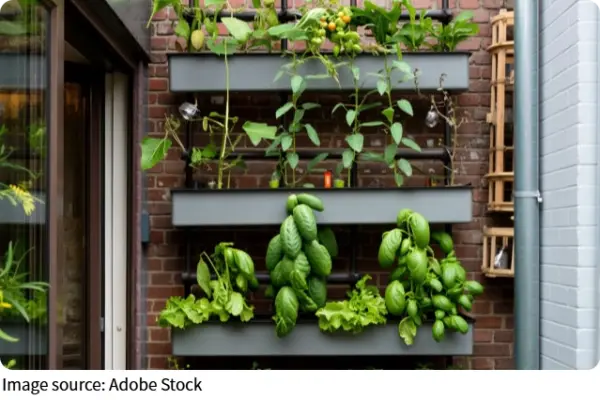
Imagine walking out into your garden or kitchen, plucking fresh herbs, and adding them straight to your meal.
Whether you're a seasoned gardener or just starting, growing herbs like mint, basil, and rosemary is easier than you think. These flavorful plants thrive in small spaces and can transform your cooking with fresh, aromatic flavors. Here's how to grow and care for them in your own garden or home.
Choosing the Right Spot for Herbs
Herbs love sunlight, so choosing the right location is the first step in growing healthy plants. Herbs like mint, basil, and rosemary thrive in bright, sunny spots but can also tolerate partial shade.
1. Find a sunny spot for your herbs. Aim for at least 6 hours of direct sunlight per day. If you're growing them indoors, a south-facing window is ideal.
2. Consider pots for small spaces. If you don't have a garden, don't worry—herbs grow great in containers. Make sure the pots have drainage holes to prevent water from sitting at the bottom, which can lead to root rot.
Planting Mint: A Quick Grower
Mint is one of the easiest herbs to grow, but it can take over if you're not careful. It grows quickly, and its spreading roots can quickly fill up any container or garden bed.
1. Plant mint in a container. Since mint spreads rapidly, it's best to grow it in a container or raised bed. This keeps its roots contained and prevents it from overtaking other plants.
2. Keep the soil moist but not waterlogged. Mint likes consistently moist soil, so water it regularly but make sure the container drains well. If you're growing mint outdoors, mulch around the base to help retain moisture.
3. Prune often to encourage healthy growth. Regularly cutting back the top of the plant encourages fuller growth and prevents it from becoming too leggy. Use fresh mint leaves in teas, salads, or as a garnish.
Growing Basil: The Kitchen Essential
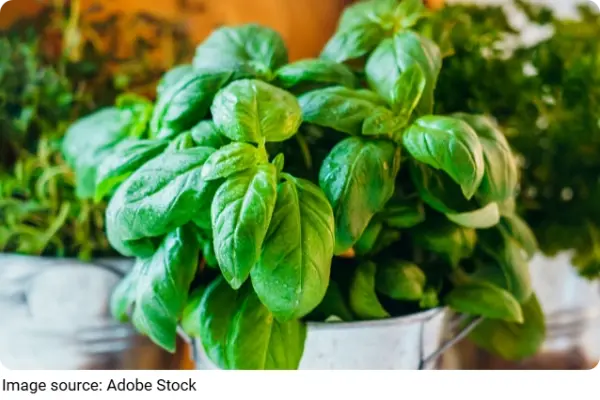
Basil is one of the most popular culinary herbs, known for its fresh, peppery flavor. It's relatively easy to grow, but it's more sensitive to temperature than mint or rosemary.
1. Plant basil in well-drained soil. Basil prefers rich, well-draining soil. If you're planting in a garden bed, amend the soil with compost for better drainage and nutrient content.
2. Water regularly, but don't overdo it. Basil needs consistent moisture, but it doesn't like to sit in wet soil. Water deeply, allowing the soil to dry slightly between waterings. If you're growing basil in a container, make sure it has good drainage.
3. Pinch off flower buds to keep it producing leaves. Basil produces flowers as it matures, but once it flowers, the leaves tend to lose their flavor. To keep your plant bushy and productive, regularly pinch off the flowers as they appear.
Taking Care of Rosemary: The Hardy Herb
Rosemary is a hardy herb known for its robust flavor and aroma. It requires a little more attention than mint or basil but is well worth the effort for its versatility in cooking.
1. Provide well-draining soil. Rosemary doesn't like soggy soil. It thrives in sandy or loamy soil that drains well. If you're growing it in a container, use a potting mix designed for herbs or cacti.
2. Allow the soil to dry between waterings. Rosemary is drought-tolerant and doesn't need frequent watering. Water it deeply, but let the top inch of soil dry out before watering again.
3. Prune regularly to maintain shape. Rosemary can grow quite large, so prune it back to maintain a compact shape. Pruning also encourages new growth, which you can harvest for cooking.
Common Herb Care Tips
Though mint, basil, and rosemary each have their specific needs, there are a few general care tips that apply to most herbs.
1. Fertilize lightly. Herbs generally don't need much fertilizer. If you're growing them in containers, use a balanced, slow-release fertilizer in the spring. For in-ground plants, a light application of compost or organic fertilizer once or twice a season is enough.
2. Harvest regularly. To keep your herbs productive, harvest leaves frequently. For basil, pick the top leaves; for mint and rosemary, trim back the stems to encourage new growth.
3. Watch for pests. Although herbs are generally hardy, keep an eye out for aphids, spider mites, or other pests. If you notice any, remove them by hand or spray your plants with insecticidal soap.
Harvesting and Using Fresh Herbs
Once your herbs are well-established, it's time to start harvesting and using them in your meals. Fresh herbs can completely transform a dish, adding flavor and aroma that dried herbs can't match.
1. Harvest basil, mint, and rosemary before flowering. For the best flavor, harvest basil and rosemary before they flower. For mint, you can harvest leaves throughout the growing season.
2. Dry or freeze excess herbs. If you have more herbs than you can use fresh, dry them by hanging them upside down or using a dehydrator. You can also freeze herbs like basil by chopping them and placing them in ice cube trays with a bit of olive oil or water.
Growing herbs like mint, basil, and rosemary in your garden or on your balcony is simple, satisfying, and rewarding. With a little care and attention, you'll have fresh herbs on hand for cooking, teas, or even homemade beauty products. The next time you cook, reach for your homegrown herbs—they'll take your dishes to the next level. Happy gardening!